IS-PAIR 2027
The 3rd International Symposium on Physical Artificial Intelligence and Robotics
11 – 12 February 2027
Biorobotics and Embodied intelligence
“From Evolution to Innovation: The Next Frontier of Physical AI”

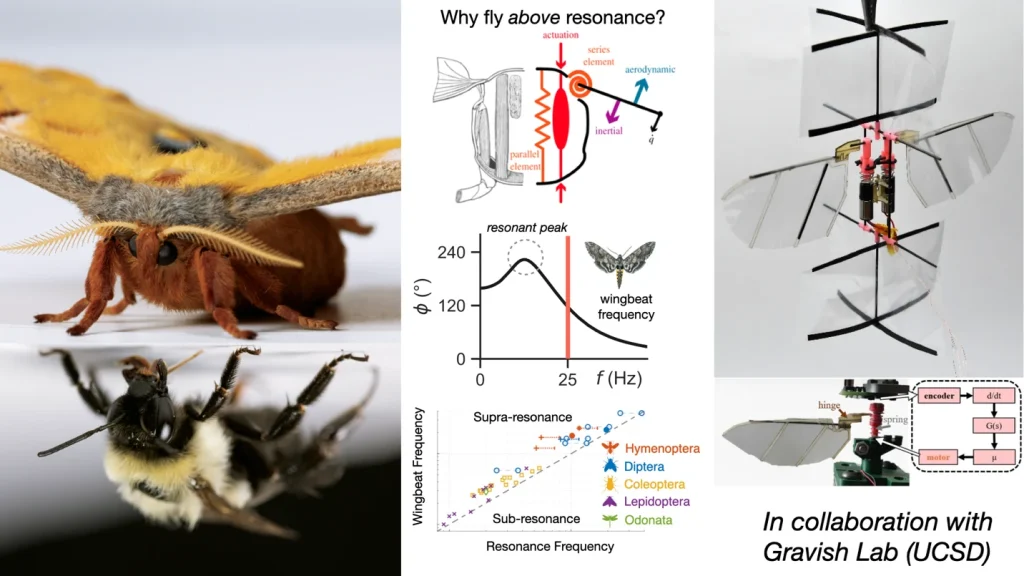
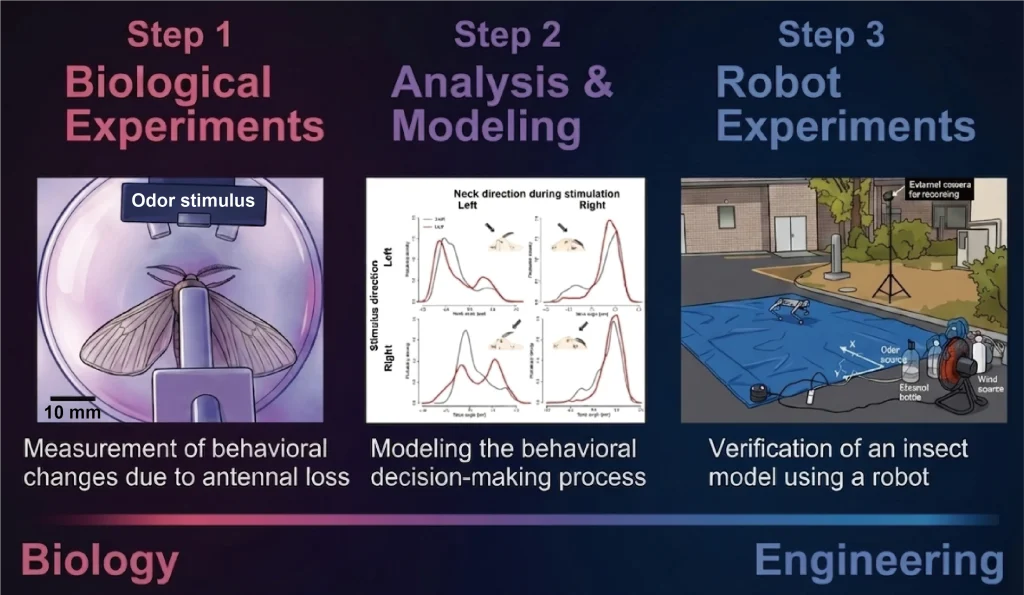
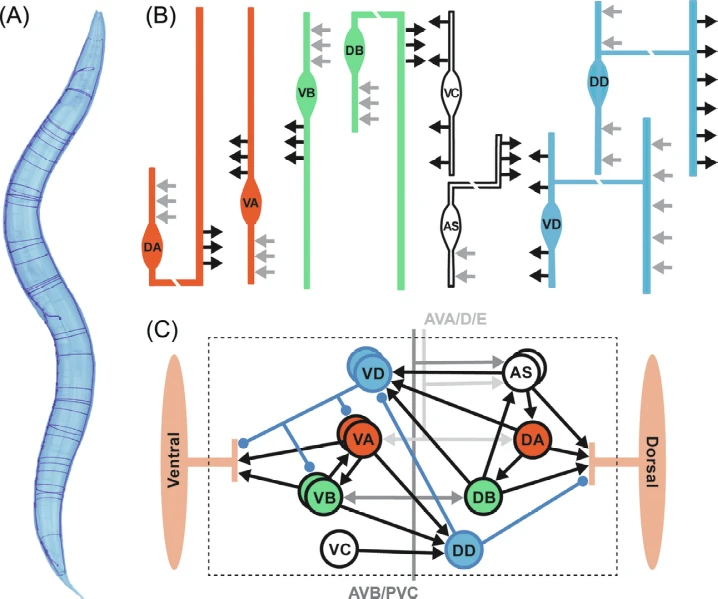
Scope
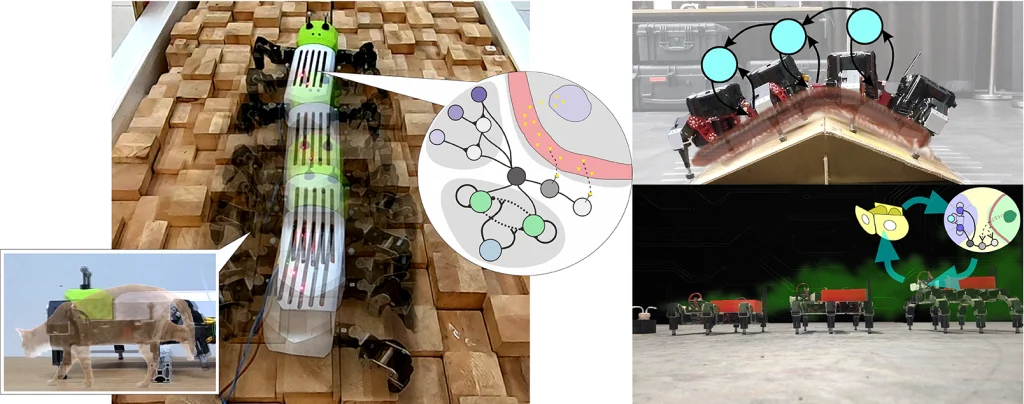
To meet the growing demand for interdisciplinary academic communication aimed at understanding biological intelligence and translating these principles into machine intelligence, the 3rd International Symposium on Physical Artificial Intelligence and Robotics will be held on 11th–12th February 2027 in Rayong, Thailand.
This interdisciplinary symposium is proudly supported by the Ministry of Higher Education, Science, Research and Innovation (MHESI), Thailand and JSPS KAKENHI Grant-in-Aid for Transformative Research Areas (B), “Design Biology for Ultimate Embodied Intelligence”. It is jointly organized by the Vidyasirimedhi Institute of Science and Technology (VISTEC), Thailand; Tohoku University, Japan; and the National Institute of Informatics (NII), Japan.
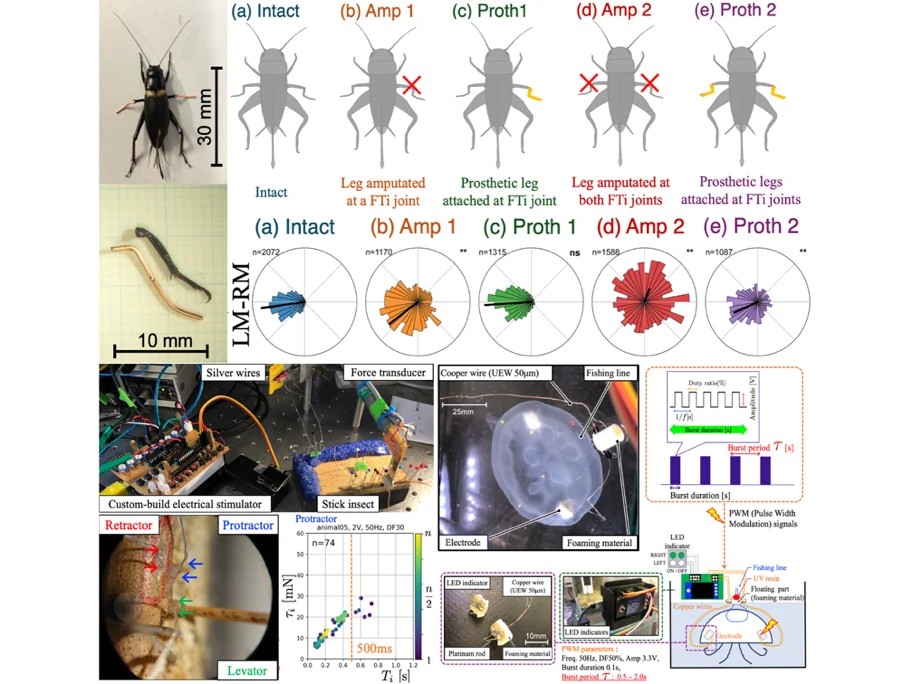
This year, the symposium places a special emphasis on the intersection of insect biomechanics, neural control, adaptive behavior, and biorobotics, exploring the elegant translation of nature’s designs into engineered systems. We welcome submissions across all aspects of physical AI, robotics, material science, and bio-inspired design, including, but not limited to, the following topics:
Physical Artificial Intelligence & robotics
Embodied Intelligence, Bio-Inspired Robotics,
Signal Processing, Motor Control, Artificial Neural Networks,
Artificial Intelligence and Machine Learning, Adaptive Systems,
Multi-Agent Systems, Intelligent Robots.
Biomimetic Materials, Sensors, & Actuators
Smart and Soft Materials, Bio-inspired Structures, Morphological Computation, Biomimetic Sensors and Actuators, Sensory Integration, Artificial Muscles.
Abstract Submission Instruction & Publication Details
Please prepare your abstracts using the templates available here for Word or LaTeX. The abstract (extended abstract) should be at least 500 words, and the title 500 characters. Up to one figure or table can also be added.
Then, submit your abstract on our submission page until 20th December 2026, 23:59:59 UTC+7. All accepted abstracts will be published on Zenodo (open repository operated by CERN, EU). The best abstract, as well as the best poster, will be awarded at the conference.
IMPORTANT: For the one whose paper get accepted, you can also prepare ISO A0 poster (our symposium logo is HERE) to present your work along the event. Each team will also have timeslot to shortly pitch/present your work during the Poster Spotlight Session (14:40 – 15:00) [presenting duration depends on the number of papers ~ 2 min.]. We will have voting for paper awards as well. (More details in Program)
Important Dates
| 20th December 2026 | Abstract Submission Deadline |
| 15th January 2027 | Notification of Acceptance |
| 30th January 2027 | Camera Ready Submission |
| 15th January 2027 – 9th February 2027 | Registration |
| 11th-12th February 2027 | Conference |
All deadlines are 23:59:59 UTC+7.
Symposium venue & Tours
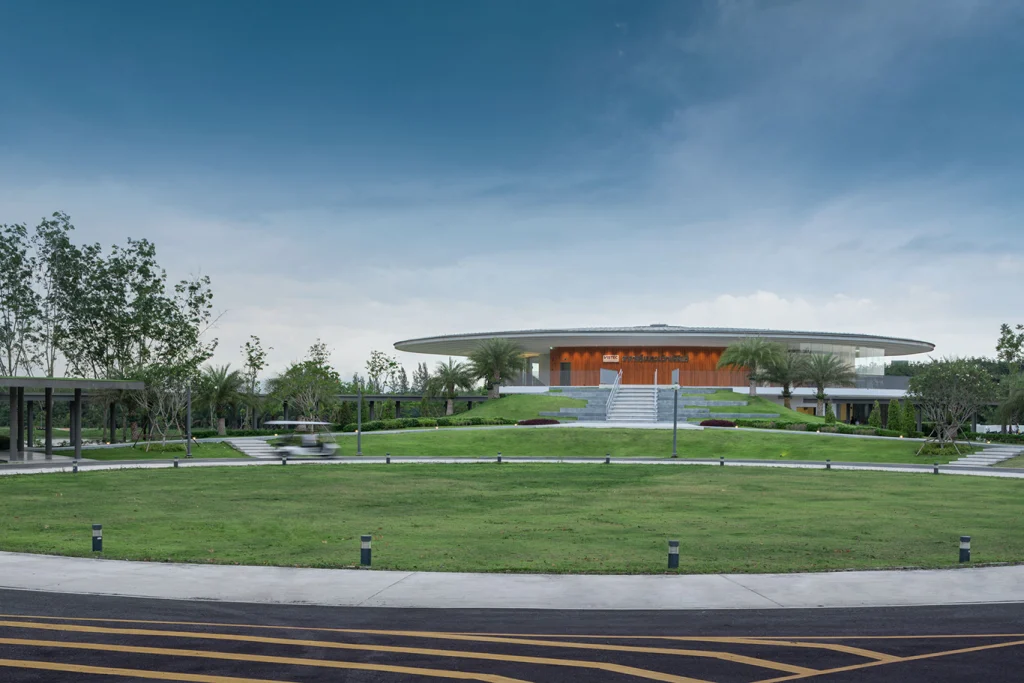
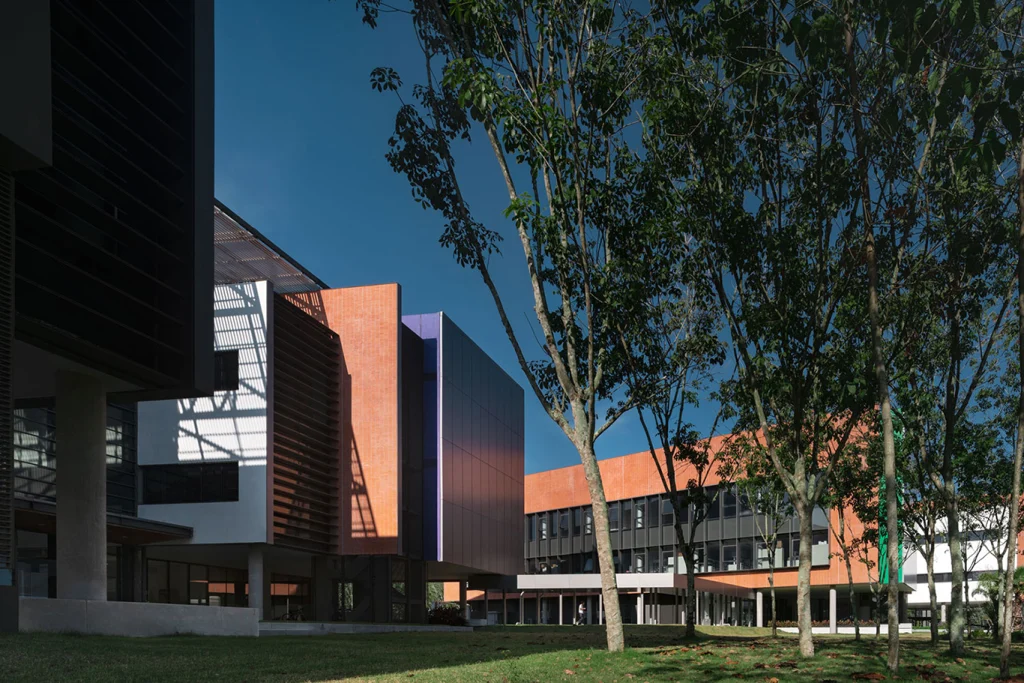
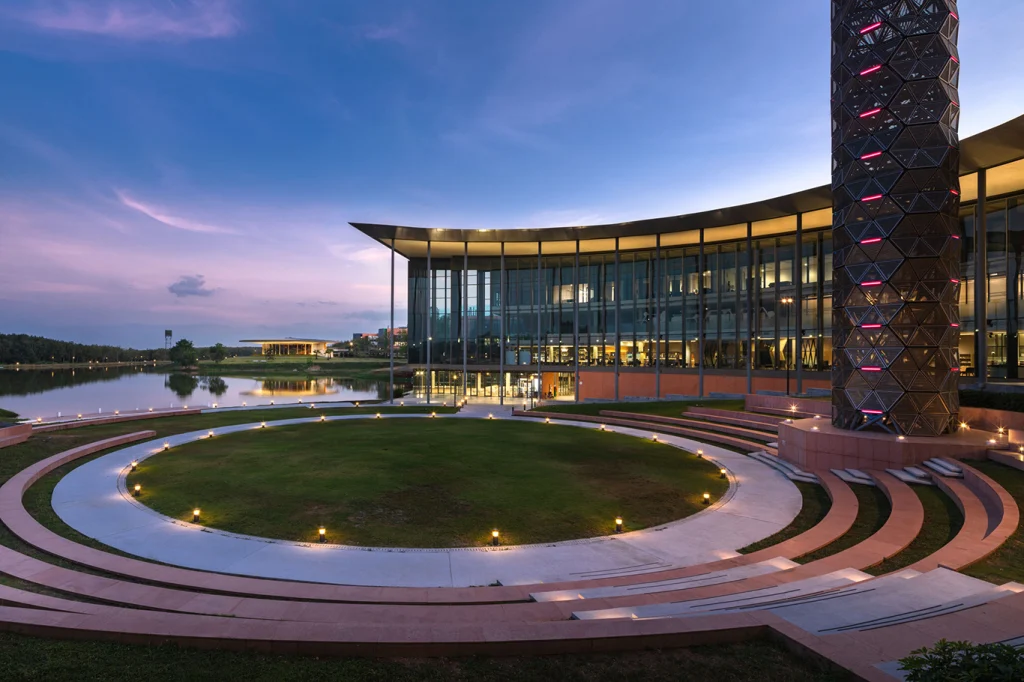
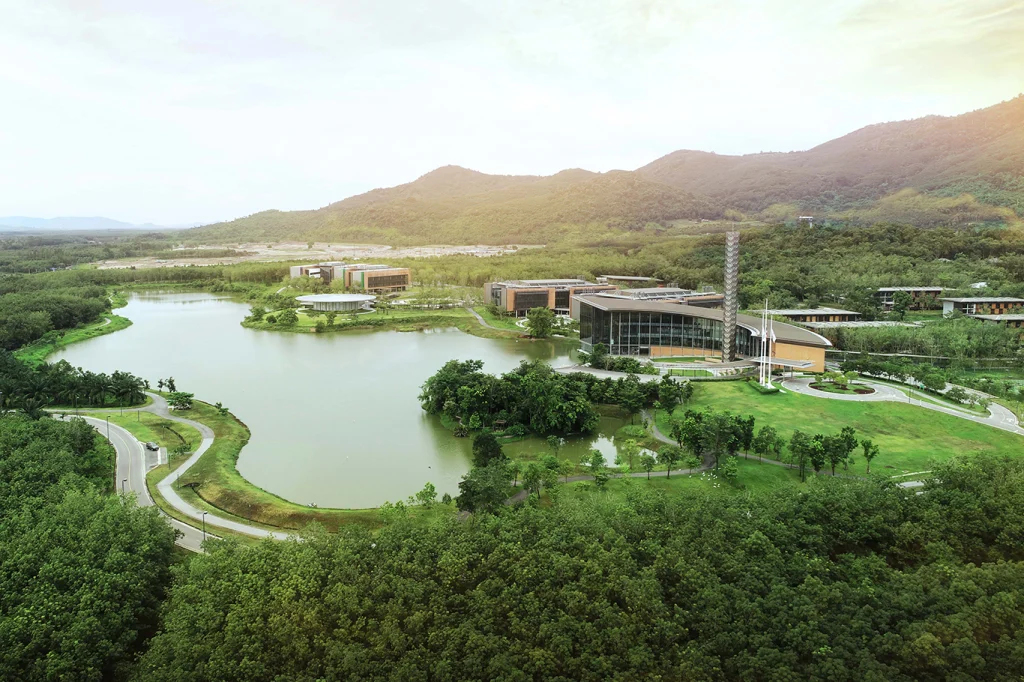
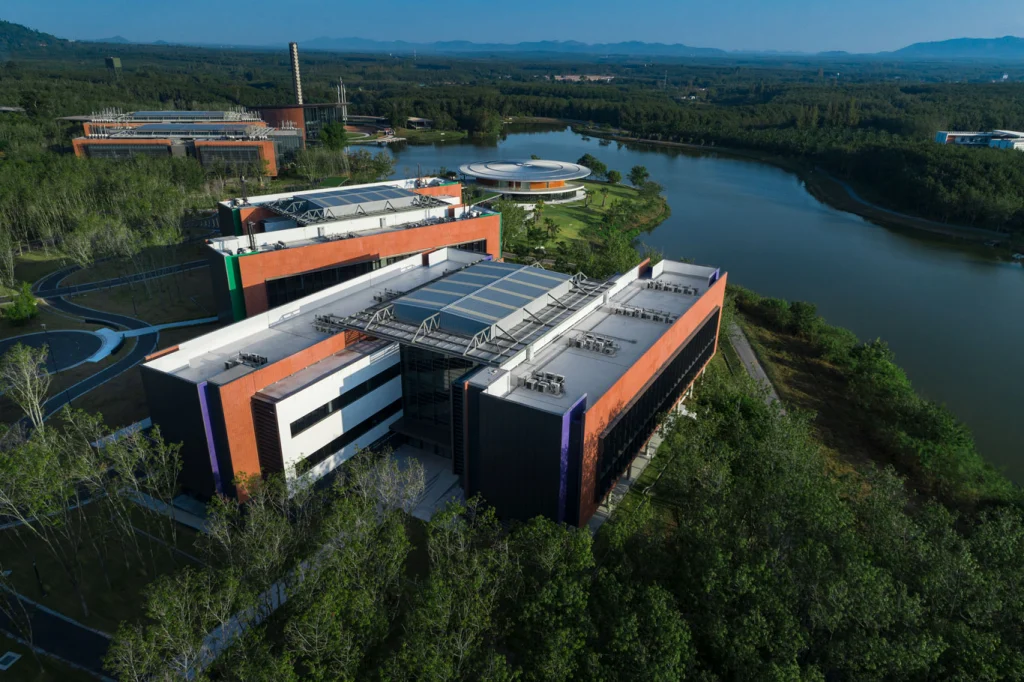
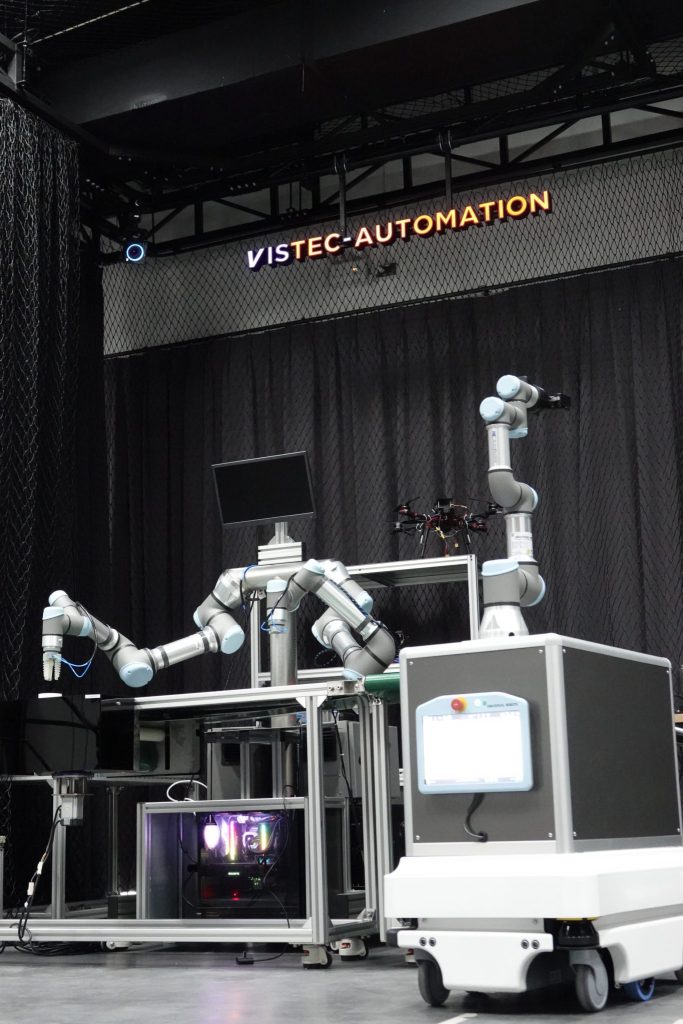
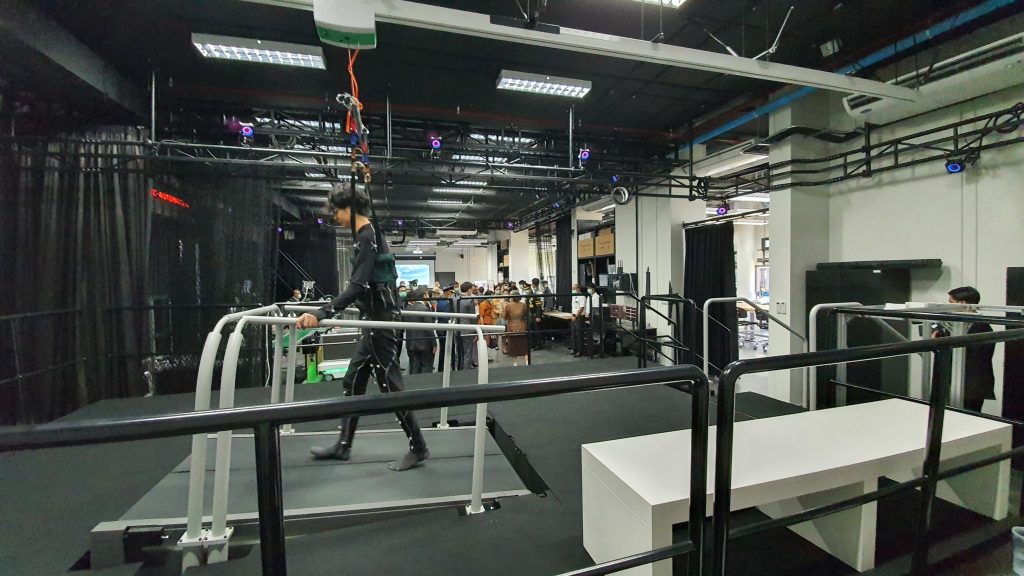
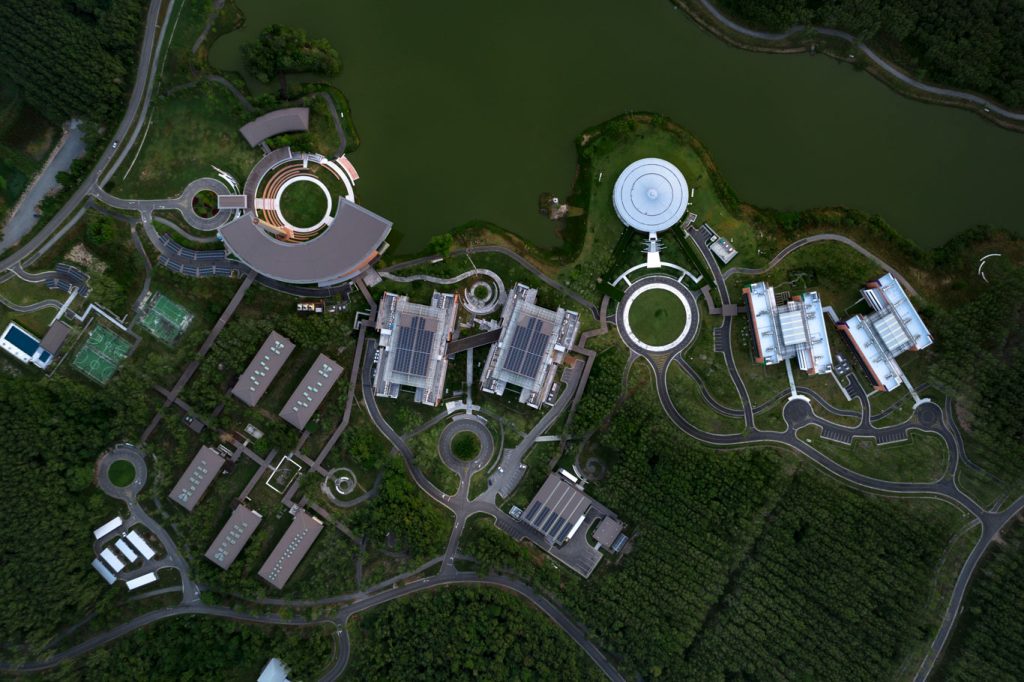
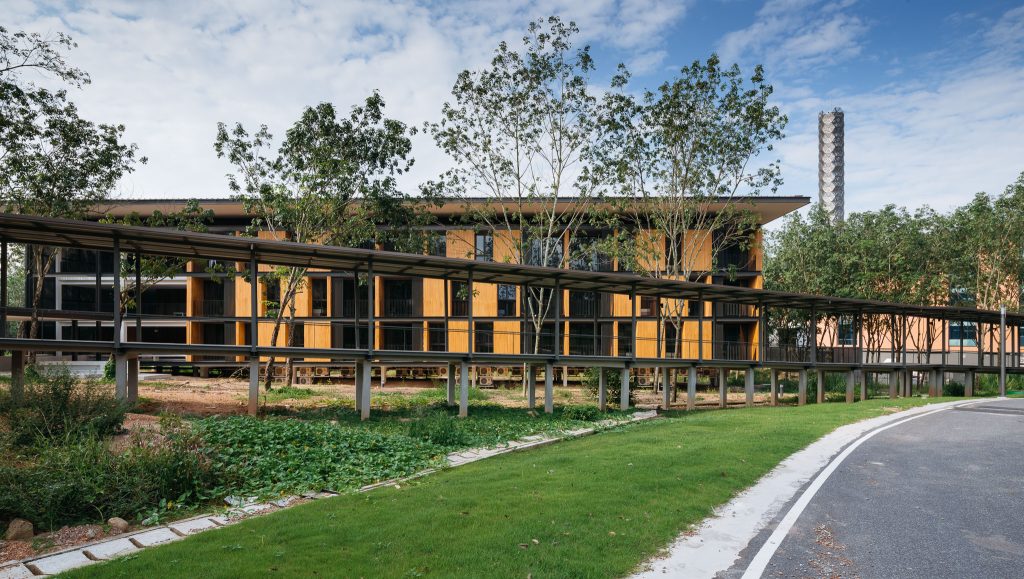
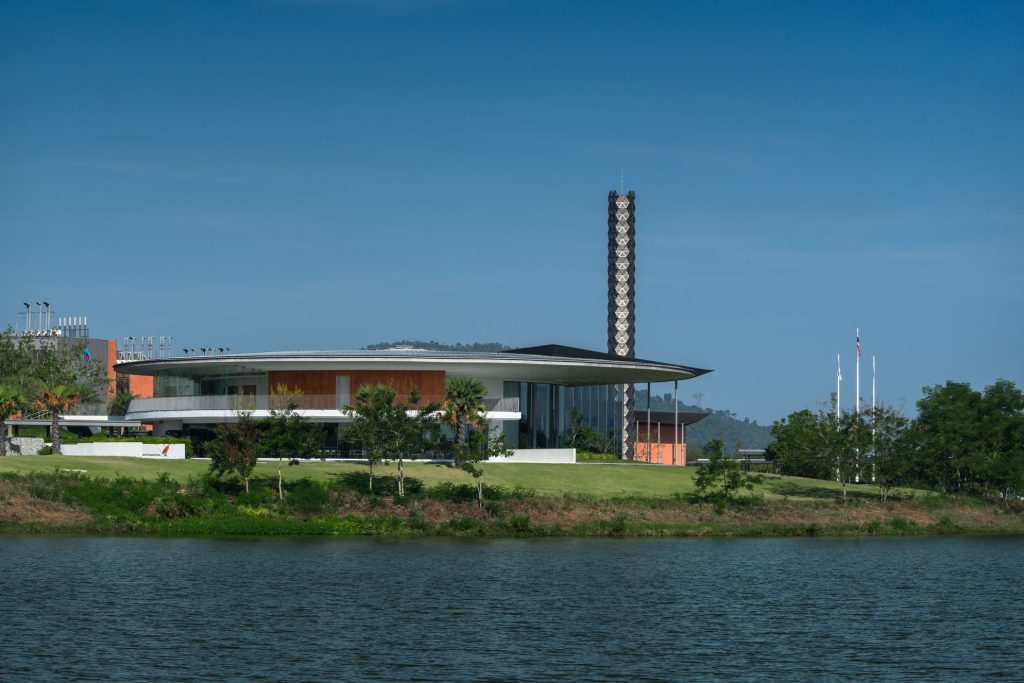
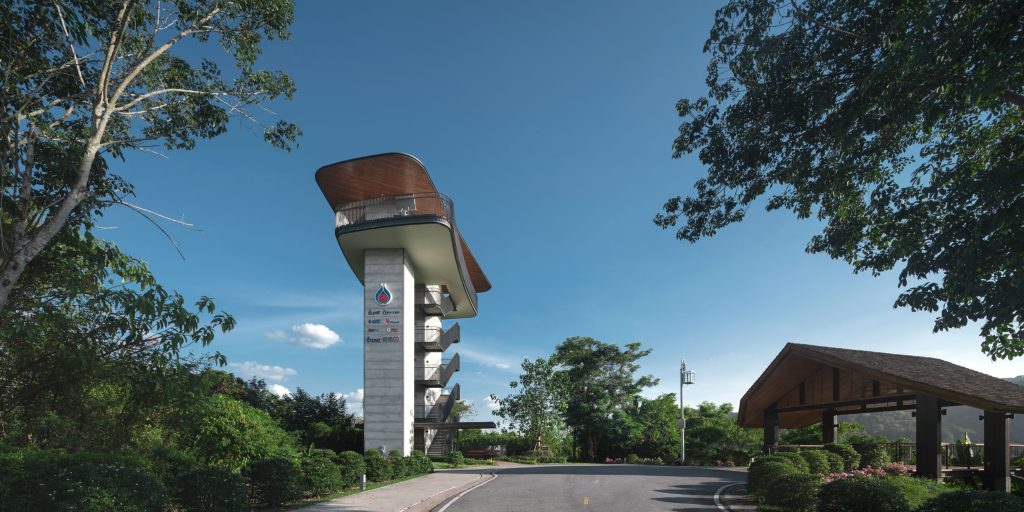
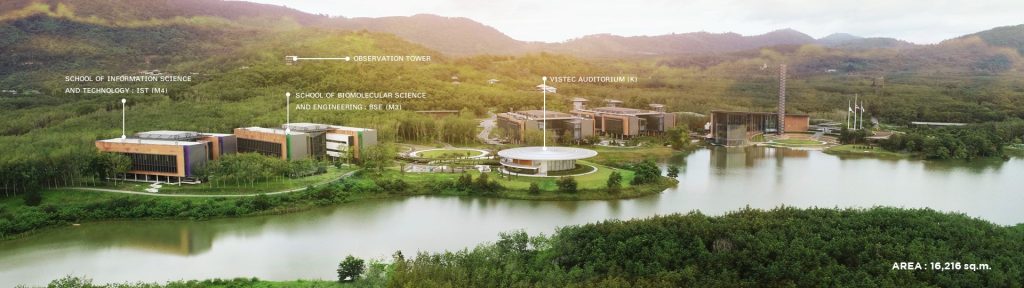
Vidyasirimedhi Institute of Science and Technology (VISTEC)
555 Moo 1 Payupnai, Wangchan, Rayong 21210 THAILAND





Assoc. Prof. Dai Owaki
The Department of Robotics, Graduate School of Engineering, Tohoku University, Japan
Keynote 1
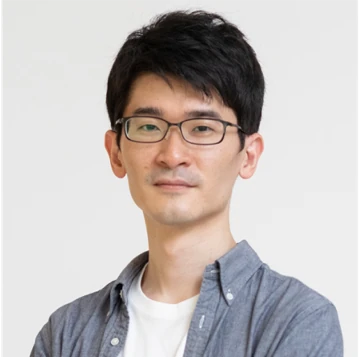
Assist. Prof. Kotaro Yasui
The Frontier Research Institute for Interdisciplinary Sciences (FRIS), Tohoku University, Japan
Keynote 2

Dr. Gal Haspel
Max Planck Institute for neurobiology of behavior — Caesar, Bonn, Germany
Keynote 3

Dr. Ryo Minegishi
Fujiwara Adaptive Motor Control RIKEN Hakubi Research Team, RIKEN, Japan
Keynote 4

Prof. Stanislav N. Gorb
Department of the Functional Morphology and Biomechanics, Zoological Institute of the University of Kiel, Germany
Keynote 5

Prof. Simon Sponberg
The School of Physics and the School of Biological Sciences, the Georgia Institute of Technology, USA
Keynote 6

Assoc. Prof. Noriyasu Ando
The Department of Life Engineering, Maebashi Institute of Technology, Japan
Keynote 7

Assist. Prof. Shunsuke Shigaki
Principles of Informatics Research Division, National Institute of Informatics, Japan
Keynote 8

Dr. Einat Couzin-Fuchs
Centre for the Advanced Study of Collective Behaviour
University of Konstanz, Germany
Keynote 9

Assoc. Prof. Tonia Hsieh
College of Science and Technology, Temple University, USA
Keynote 10

Dr. Daiki Wakita
Graduate School of Science, the University of Tokyo, Japan
Keynote 11

Bawornsak Sakulkueakulsuk
Institute of Field Robotics (FIBO), King Mongkut’s University of Technology Thonburi, Thailand
Keynote 12

Dr. Jettanan Homchanthanakul
School of Information Science and Technology, Vidyasirimedhi Institute of Science and Technology (VISTEC), Thailand
Keynote 13